Surrey Mold Remediation for Safe and Healthy Indoor Spaces
Surrey Mold Remediation for Safe and Healthy Indoor Spaces
Blog Article
Breathe Easily: Vital Techniques for Optimal Mold Removal
Mold stands as a typical problem in countless homes, especially in damp locations. It carries significant health threats that may impact all people. Successful removal demands required tools and safety practices. The process involves several critical steps, from identifying the problem to maintaining permanent solutions. Knowing these critical elements can deliver a real difference. Still, many property owners miss important considerations that could lead to repeating troubles. What are the most successful approaches for keeping spaces mold-free?
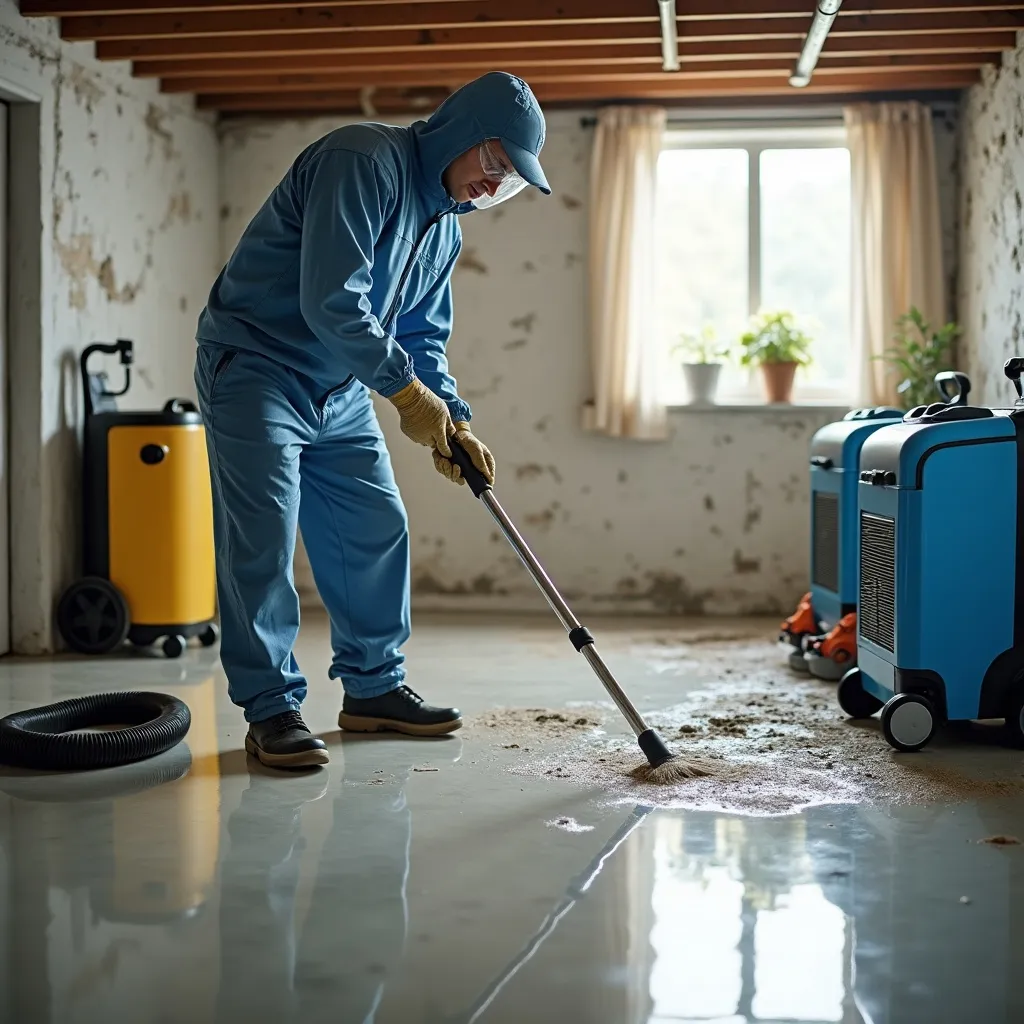
Spotting Mildew Issues in Your Residence
How can homeowners detect mold problems hiding in their spaces? The presence of mold can often be detected through visual signs and odors. Homeowners should frequently check areas prone to moisture, such as bathrooms, basements, and around plumbing fixtures. Any staining on walls, ceilings, or floors may suggest mold growth. Additionally, a musty smell can be a strong indicator of hidden mold.
Yet another method to spot mold issues is by monitoring humidity. High moisture, notably beyond 60%, creates an optimal setting for mold growth. Homeowners should equally stay aware of any signs of water leaks, since these may lead to mold development if disregarded. Moreover, observing any strange allergic reactions or respiratory issues among people in the home might also signal a mold situation. Timely detection proves necessary for successful remediation efforts and keeping a safe living space.
Grasping the Bodily Concerns of Mold Interaction
Mold exposure presents significant health hazards, especially affecting respiratory health. Individuals may suffer from allergic reactions, leading to symptoms such as sneezing, coughing, and skin irritation. Recognizing these dangers is crucial for preserving a healthy home environment.
Pulmonary Problems From Mold
Exposure to mold signifies major health threats, specifically pertaining to pulmonary concerns. Mold spores, when breathed in, can inflame the air passages and result in elevated respiratory problems. Individuals in contact with mold may experience manifestations such as persistent cough, wheezing, and difficulty breathing. For those with pre-existing conditions like asthma or chronic obstructive pulmonary disease (COPD), mold exposure can exacerbate manifestations, possibly causing severe health complications. The existence of mold can also contribute to the emergence of breathing infections, as the body's immune response is weakened. It is vital to resolve mold development swiftly to mitigate these risks and protect respiratory health, notably in at-risk groups such as young people and the seniors, who may be more susceptible to the negative impacts of mold contact.
Sensitivity Reactions And Symptoms
Allergic reactions to mold can appear rapidly, often resulting in a variety of uncomfortable manifestations. Individuals exposed to mold spores may experience the urge to sneeze, runny or stuffy nose, and itchy eyes. Sometimes, skin rashes or hives may occur, signaling an allergic reaction. Symptoms may vary depending on the person's allergic threshold and the type of mold present. Extended exposure may worsen existing conditions like asthma, resulting in increased respiratory distress. Also, those with compromised immunity or underlying health concerns may have more serious reactions. Recognizing these symptoms is crucial for prompt intervention and effective mold removal, protecting overall health and well-being. Understanding the specific health risks linked to mold exposure is essential for avoiding and treatment.
Vital Devices for Thorough Mold Clearing
Successful mold elimination requires the right tools to guarantee comprehensive and secure removal. Essential cleaning supplies, combined with required protective equipment, play an important role in safeguarding both the individual and the environment. Understanding these must-have items is essential for effective mold restoration.
Fundamental Cleaning Supplies
A several necessary cleaning supplies can substantially improve the mold removal process. First, a strong scrub brush is essential for effectively scrubbing surfaces to get rid of mold. A vacuum furnished with a HEPA filter is also important, as it can capture mold spores and prevent them from spreading. Additionally, a spray bottle filled with a proper cleaning solution, such as vinegar or a commercial mold remover, helps in applying treatment directly to affected areas. Microfiber cloths are recommended for wiping down surfaces without leaving residue. Finally, a bucket can be helpful for mixing cleaning solutions or managing waste. Together, these supplies create a effective toolkit for tackling mold effectively and efficiently.
Safety Equipment Requirements
Protection equipment is important when managing mold removal to defend against hazardous spores and chemicals. A quality respirator is important, as it blocks airborne particles, stopping inhalation of toxic mold spores. Additionally, gloves made from rubber or nitrile should be worn to safeguard the skin from direct contact with mold and cleaning solutions. Goggles are also essential to shield the eyes from irritants. It is suggested to wear long sleeves and pants, ideally made of durable materials, to limit skin exposure. Finally, using disposable shoe covers can avoid spreading spores to unaffected areas. Together, these safety measures create a protective barrier, providing a safer mold removal process while preserving health.
Tips for Protected Mold Extraction
Addressing mold needs a systematic approach to guarantee effective and safe results. The initial stage includes determining the impacted zones, verifying that the extent of the mold growth is evaluated. Subsequently, the area should be separated to prevent spores from dispersing during the removal process. This may involve closing the space with plastic sheeting.
Following area isolation, the individual should don appropriate protective equipment, including gloves, goggles, and a mask. The removal process usually includes scrubbing surfaces with a mixture of water and detergent or applying professional mold removal products. Absorbent materials that cannot be salvaged, like drywall or carpets, should be discarded.
After extraction, it is essential to dry the area thoroughly to prevent future growth. Finally, disposing of moldy materials and cleaning the surrounding areas will help guarantee that no spores persist. Proper ventilation during this process is crucial to maintain air quality.
Preventing Subsequent Mold Proliferation
After successfully eliminating mold, priorities should focus on preventing its return. Maintaining low humidity levels is vital, as mold loves humid spaces. Homeowners should work toward 50% or less humidity indoors, making use of dehumidifiers and exhaust fans in high-moisture areas such as bathrooms and kitchens. Periodically inspecting and fixing leaks in roofing and plumbing can meaningfully minimize moisture accumulation.
Additionally, ensuring proper ventilation in attic spaces and crawl spaces is important. This allows for enough air circulation, reducing still air that promotes mold growth. Cleaning gutters avoids water overflow, which can enter the home’s foundation.
Utilizing anti-mold materials, such as paints and drywall, can offer an added layer of protection. Finally, consistent cleaning and upkeep of areas susceptible to dampness, like bathrooms and basements, will assist in preventing mold at bay. By implementing these strategies, homeowners can create an space less conducive to mold growth.
Knowing When to Call the Pros?
Determining when to contact professional help for mold problems can be difficult for homeowners. Many may initially attempt to manage minor mold problems independently, but certain situations require professional intervention. If mold covers an area larger than ten square feet, it is recommended to obtain professional help. Additionally, homeowners should consider enlisting experts when mold appears in difficult-to-access locations, such as behind walls or in ventilation systems, where thorough inspection and removal may be necessary.
Health concerns also play a significant role; ongoing lung problems or allergic manifestations among household members may indicate a more essential information critical mold situation. In addition, when the source of moisture cannot be easily identified or resolved, professionals can furnish understanding and fixes to prevent recurrence. Conclusively, recognizing the signs of a substantial mold issue guarantees the security and wellness of all inhabitants, making rapid specialist support a beneficial investment.
Guidance on sustaining a mold-free space
Maintaining a mold-free area requires consistent effort and awareness, especially after addressing any fungal issues. Regular reviews of high-risk regions, such as basements, bathrooms, and kitchens, can help catch potential setbacks beforehand. Sustaining humidity levels below 50% is necessary; using dehumidifiers and maintaining suitable fresh air flow works to this goal.
Routine sanitizing with fungicidal solutions, especially in moisture-laden areas, curtails the possibility of mold growth. It is also worthwhile to immediately attend to any water seepage or water damage, as stagnant moisture establishes an excellent multiplication site for mold.
In addition, using mold-resistant products when constructing or upgrading can further protect against potential infestations. Homeowners should be conscious of indoor plants, as overwatering can also result in mold issues. By putting into practice these preventative measures, individuals can create a more salubrious living space and substantially minimize the risk of mold reoccurrence.
Regularly Sought Answers
How much time Does It Take for Mold to Grow?
Mold is able to start to grow within 24 to 48 hours in ideal circumstances, such as warmth and moisture. However, visible signs might require several days to weeks to become visible, depending on environmental factors.
Is It Feasible to Get rid of Mold Using Household Cleaning agents?
Mold can usually be eliminated with common household cleaners, such as vinegar or bleach, but results can differ. Stubborn infestations may require professional intervention or expert treatments to assure full removal and prevention of return.
Is Every Mold Toxic or Hazardous?
Not all mold is toxic or dangerous. While some types can trigger medical problems, many are safe. Knowing the particular kind of mold present is crucial for determining possible dangers to wellness and protection.
How Can I Detect Hidden Fungus in My Residence?
To find hidden mold in a home, one should check for damp areas, inspect behind walls and appliances, look for discoloration, and utilize moisture meters or mold testing kits for comprehensive assessment.
What can I Do if Mold Returns After Elimination?
If mold comes back after elimination, it's crucial to identify and address the root water problem. Thoroughly clean the impacted space again, enhance air circulation, and think about hiring professionals for ongoing issues to guarantee effective remediation.
Report this page